
If you are tired of your bass guitar humming, buzzing, or picking up radio frequencies every time you stand near an amp, a router, or a dimmer switch, you are not alone. This 60-cycle hum is especially common in basses with single-coil pickups (like a Fender Jazz Bass). Fortunately, the solution is inexpensive and incredibly effective: shielding your bass guitar’s electronic cavities.
By creating a “Faraday cage” around your electronics, you can block electromagnetic interference (EMI) and radio frequency interference (RFI) from reaching your signal. Here is everything you need to know to do it yourself.
Copper Foil Tape vs. Conductive Paint
Before you start, you need to choose your shielding material. Both work perfectly well, but they require slightly different applications.
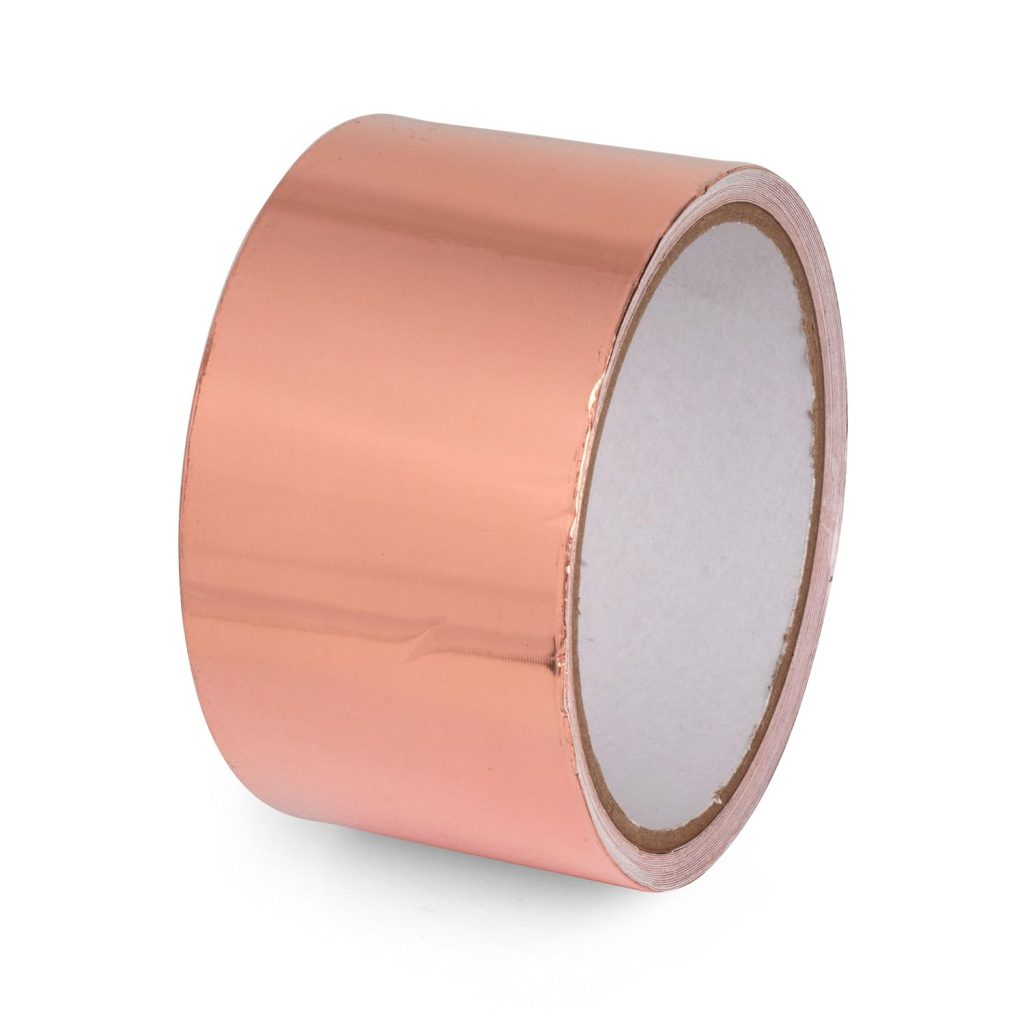
- Copper Foil Tape: The most popular choice for DIYers. It’s inexpensive, highly conductive, and instantly effective. Look for tape with conductive adhesive so the overlapping strips connect electrically without needing to be soldered together.
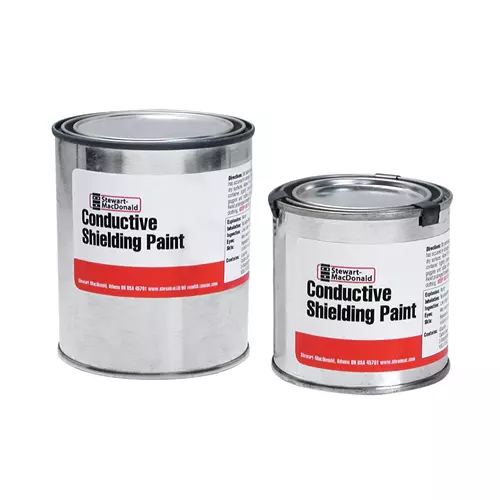
- Conductive Shielding Paint: Better for complex or extremely tight routing cavities. It contains carbon or metal particles that dry into a conductive shell. It usually requires 2-3 coats and 24 hours of drying time.
The Step-by-Step Guide to Shielding Your Bass
Because you are working with your instrument’s electronics, it is critical to follow these steps in the correct order to ensure the shielding is properly grounded.
1.Disassemble the Bass:Take photos of your wiring before desoldering anything.
Remove your strings. Unscrew the control plate, pickguard, and output jack. Carefully pull the potentiometers (pots) and electronics out of the cavity. If you need to desolder the ground wire attached to the bridge, do so now, but take clear reference photos first so you know exactly where everything reconnects later.
2.Prep and Clean the Cavities:
Your shielding material needs a clean surface to adhere to. Vacuum out any sawdust from the pickup cavities and the main control cavity. Wipe the insides down with a slightly damp cloth or a Q-tip with a little rubbing alcohol to remove grease or wax. Let it dry completely.
3.Apply the Shielding Material:Ensure all pieces overlap.
If using tape: Line the bottom and walls of all electronic cavities. Overlap every strip of tape by at least 1/4 inch to ensure electrical continuity. Smooth the tape down flat with the back of a screwdriver or a guitar pick. Run a small lip of tape over the top edge of the cavity so it will make contact with the pickguard/control plate later.
If using paint: Apply an even coat to all cavities, letting it dry completely according to the manufacturer’s instructions. Apply at least two to three coats.
4.Shield the Pickguard or Cavity Cover:
The “roof” of your Faraday cage is the pickguard or the plastic cavity cover on the back of the bass. Apply copper foil tape across the entire back of the pickguard, specifically covering the area that sits directly over the electronics and pickups.
5.Create the Ground Connection:Crucial for the shield to actually work.
Shielding does nothing if it isn’t grounded. The easiest way to ground the shield is to let the metal casing of your potentiometers (which are already grounded in your wiring circuit) touch the copper tape on the back of your pickguard or control plate. Alternatively, you can solder a small wire directly from the copper tape inside the cavity to the main ground point on your volume pot.
6.Test and Reassemble:
Before putting the strings back on, use a multimeter set to continuity mode. Touch one probe to the copper tape in the cavity and the other to the metal shaft of your output jack. If it beeps, your shield is successfully grounded. Reinstall your electronics, re-solder any disconnected wires, and screw everything back together.
Why Every Bassist Should Do This
Shielding is one of the highest-value modifications you can make to a bass guitar. It costs less than $20 in materials and takes about an hour of your time, but it results in a drastically cleaner signal for recording and playing live. It also allows your amplifier to work more efficiently, as it is no longer amplifying unwanted background hum alongside your actual bass tone.